Fissure
- Home
- Fissure
Anal fissures are a common clinical issue, with their prevalence varying based on age and gender. As per a report by Mapel et al., 2014, there is over 1 case of anal fissure symptoms in every 1000 people. It is more common among women aged between 12 and 24 years and men between 55 and 64.
If you have anal fissures, you may experience constipation, obesity, and hypothyroidism. To manage the condition, doctors may initially recommend topical treatments. However, in severe cases, surgical procedures are used. This blog will tell you about anal fissure causes, symptoms, prevention and treatment.
| Disease Name | Anal Fissure |
| Alternative Name | Fissure in ano |
| Symptoms | Pain in the rectum while defecating, itchiness or bleeding in the anus |
| Risk Factors | History of constipation or hard stools, trauma, low-fibre diet, and previous anal surgery |
| Diagnosis | Anoscopy, Flexible sigmoidoscopy, Colonoscopy |
| Treated By | Proctologists and anorectal surgeons |
| Treatment | Lateral internal sphincterotomy (LIS)Anal Fissure MeaningAn anal fissure is a tear in the anus, the muscular opening of the digestive tract at the end, where stool exits the body. It causes pain, bleeding, tightening of the muscle ring, and spasms during bowel movements. |
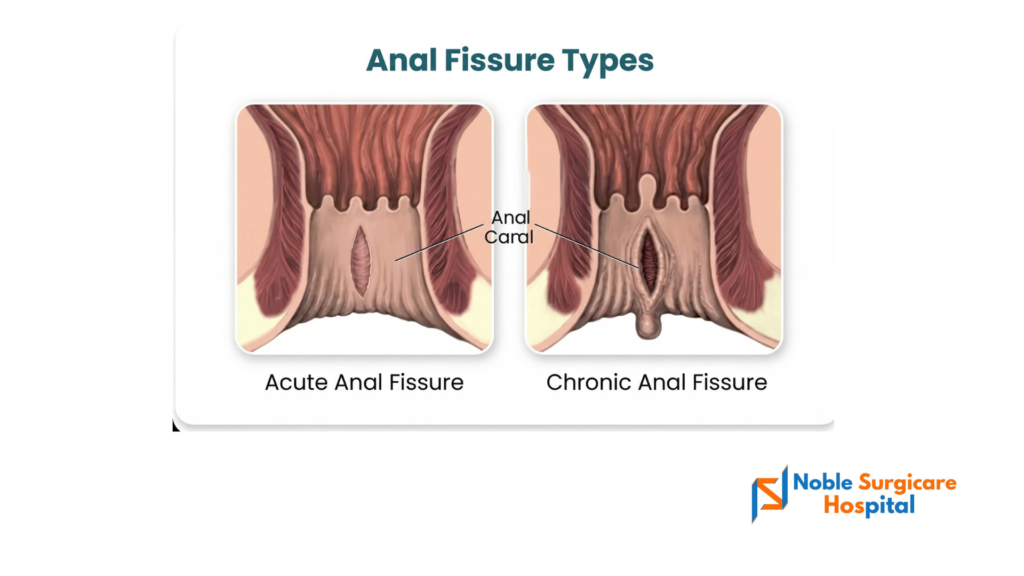
Anal Fissure Types
- Acute fissures: It appears as a simple tear in the anus. The anal fissure symptoms of acute fissures include anal pain, spasm, and bleeding with defecation.
- Chronic fissures: It lasts for more than 6 to 8 weeks. This condition often requires medical attention due to their persistent nature and the discomfort they cause. The features include exposed fibres of internal anal sphincters at the base.
Anal Fissures Grades
These grades help doctors understand the severity of the fissure and plan appropriate treatment. The anal fissure disease is often graded based on how deep they are:
- Grade 1: The fissure is entirely split into separate parts
- Grade 2: Completely split, but there’s some connection at the bottom.
- Grade 3: The split is visible for part of the fissure with no evident fissural line.
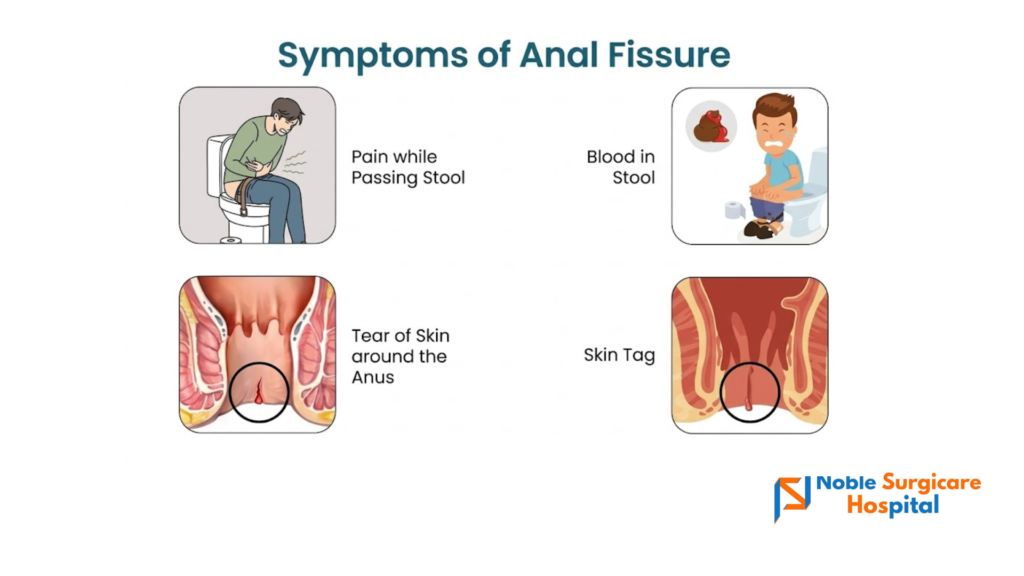
There are various physical manifestations before the occurrence of a disease. Patients must be cautious if they notice these indications. The signs of anal fissures in adults include the following:
- Pain during or after bowel movements that can last for a few hours
- Blood while defecating or on the toilet paper
- A tear in the skin around the anus that is visible
- A skin tag or a small lump near the anal fissure
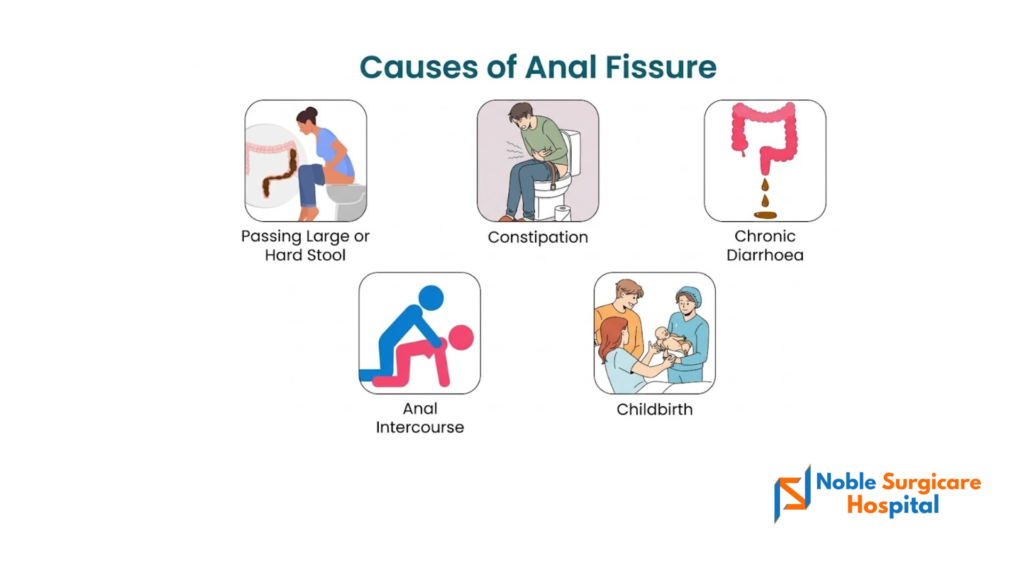
It’s essential to understand the causes of fissures to prevent it. These include:
- Passing large or hard stools
- Constipation and straining during bowel movements
- Chronic diarrhoea
- Anal intercourse
- Childbirth
The common reason for anal fissure are:
- Crohn’s disease or other inflammatory bowel diseases
- Anal cancer
- HIV
- Tuberculosis
- Syphilis
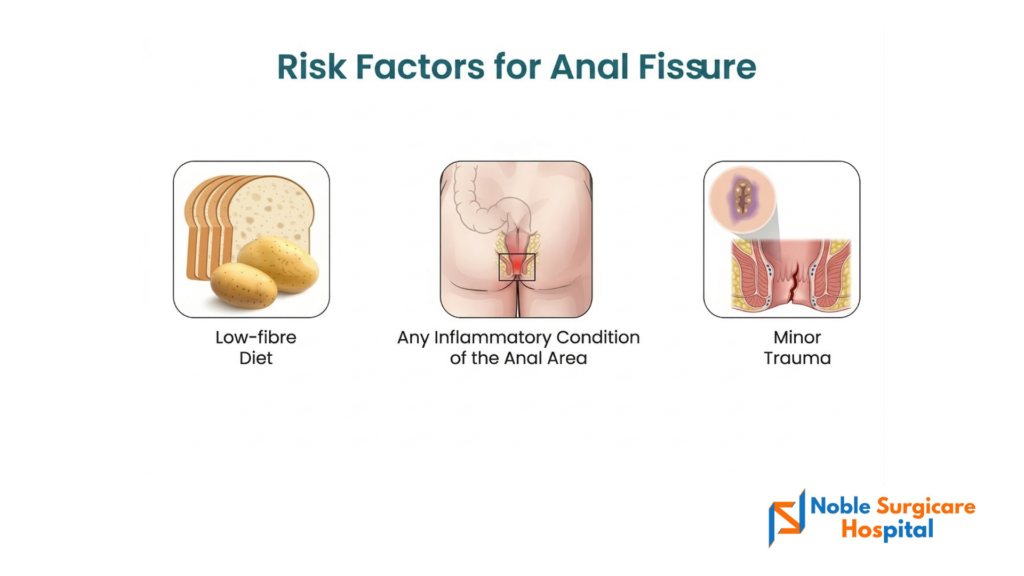
Risk Factors of Anal Fissure
Certain factors increase the risk of developing anal fissures. These can be as follows:
- Constipation with straining to pass hard stool
- Low-fibre diet
- Intense diarrhoea
- Minor trauma, especially from high-level mountain biking
- Any inflammatory condition of the anal area
How to prevent Anal Fissure?
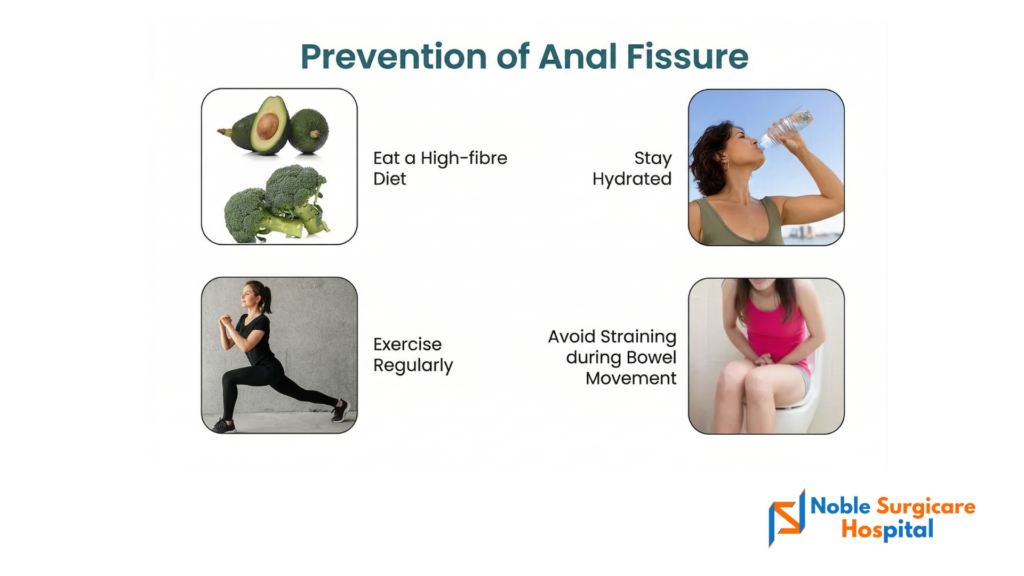
The anal fissure prevention involves measures to prevent constipation or diarrhoea. Here is how this condition can be prevented
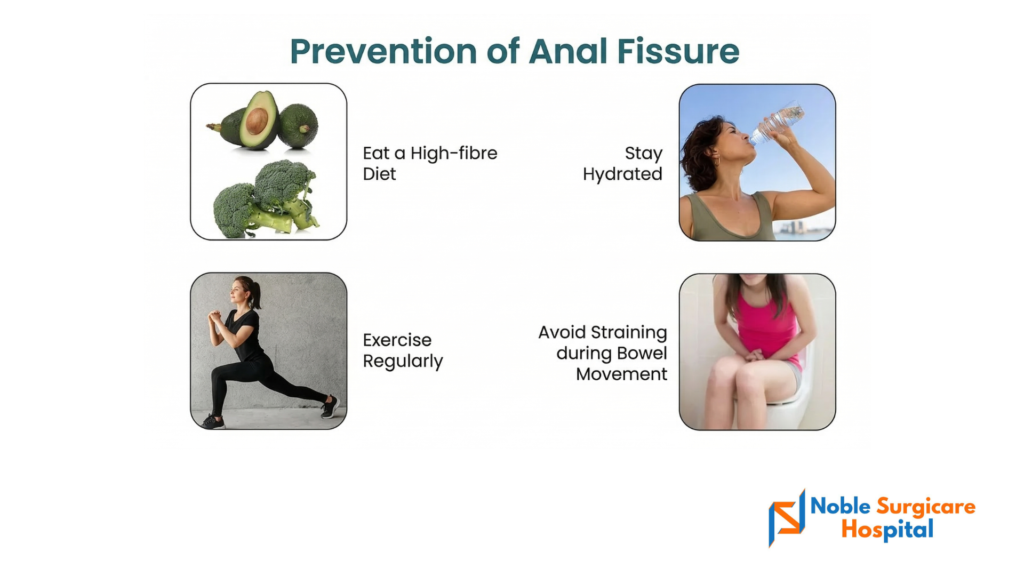
- Eat high-fibre foods, such as fruits, vegetables, and whole grains. This helps maintain regular bowel movements, reducing the risk of anal fissures caused by constipation.
- Drink plenty of fluids as it softens stool. This makes it easier to pass without straining, which can prevent anal fissures.
- Exercise regularly as it promotes healthy digestion and bowel function. This reduces the likelihood of constipation and thus prevents anal fissures.
- Avoid strenuous bowel movements because it can increase pressure on the anus and potentially cause anal fissures. Maintaining proper posture and relaxing during bowel movements can help prevent this.
Anal Fissure Diagnosis
The healthcare provider will likely ask about one’s medical history. They will then perform a physical examination, including an inspection of the anal region.
- Physical Diagnosis: The tear is often visible during the examination. The acute fissure looks like a fresh tear, similar to a paper cut. However, in the case of chronic fissures, there is a significant tear.
- Possible Tests: Doctors may suggest some diagnostic tests to diagnose the anal fissures. These tests include:
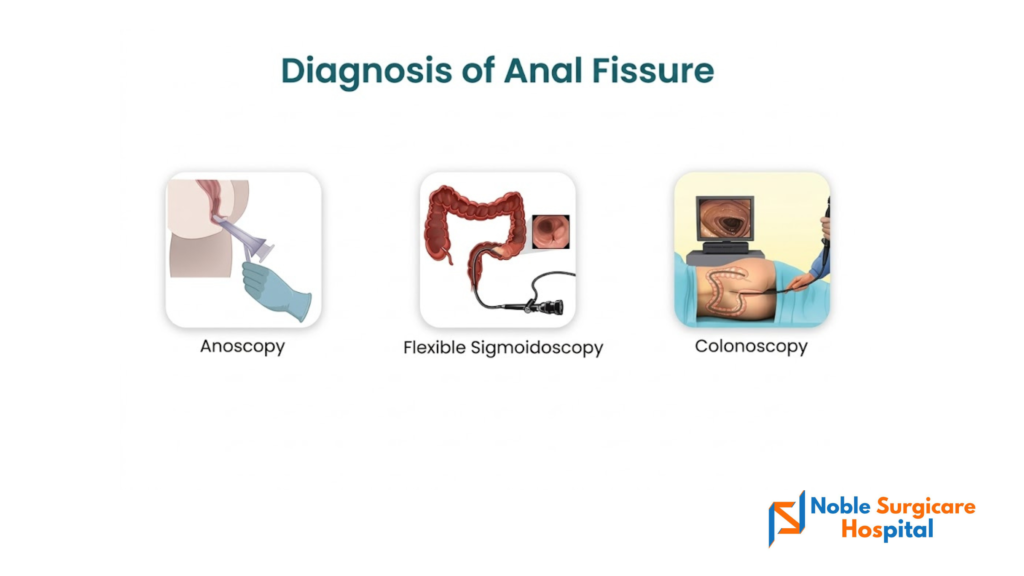
- Anoscopy : A tubular device is inserted into the anus to view the rectum and anus.
- Flexible sigmoidoscopy : A thin, flexible tube with a video camera is inserted into the lower colon. It is recommended if the patient is under 45 with no risk factors for colon cancer or intestinal diseases.
- Colonoscopy : The doctor inserts a flexible tube into the rectum to examine the entire colon. It is recommended if the patient is over 45 and has risk factors for colon cancer. Patients with symptoms of other conditions like stomach pain or diarrhoea may also be diagnosed with this procedure.
Anal Fissure Diagnosis
The healthcare provider will likely ask about one’s medical history. They will then perform a physical examination, including an inspection of the anal region.
- Physical Diagnosis: The tear is often visible during the examination. The acute fissure looks like a fresh tear, similar to a paper cut. However, in the case of chronic fissures, there is a significant tear.
- Possible Tests: Doctors may suggest some diagnostic tests to diagnose the anal fissures. These tests include:
- Anoscopy : A tubular device is inserted into the anus to view the rectum and anus.
- Flexible sigmoidoscopy : A thin, flexible tube with a video camera is inserted into the lower colon. It is recommended if the patient is under 45 with no risk factors for colon cancer or intestinal diseases.
- Colonoscopy : The doctor inserts a flexible tube into the rectum to examine the entire colon. It is recommended if the patient is over 45 and has risk factors for colon cancer. Patients with symptoms of other conditions like stomach pain or diarrhoea may also be diagnosed with this procedure.
How to prepare for a proctologist consultation?
Preparing for a proctologist or anorectal surgeon visit is key as it ensures that the patient and their relatives understand the diagnosis and its cure. Here is how one can prepare for the consultation:
- Gather all medical records before the visit and bring previous records, especially if visiting a doctor in a different hospital system.
- Provide current information and medical history.
- Prepare a list of primary concerns and considerations.
- Enlist all medications, vitamins, or supplements, along with their doses.
Questions to Ask the Proctologist
When visiting the proctologist or anorectal surgeon for anal fissure treatment, patients should prepare a list of queries to ask. Asking these will help them understand the cure and the precautions to be taken. Some such questions are:
- What type of anal fissure do I have?
- What are the treatment options available?
- What are the precautions to be taken during the treatment?
- How much time would it take to cure the disease completely?
Anal Fissure Treatment
Non-Surgical Treatments
In most cases, anal fissure treatment at home can be used, like making some dietary changes and increasing fluid intake. However, if they don’t work, there are fissure treatments without surgery; these include:
- Applying nitroglycerin externally (Rectiv) can improve blood flow to the fissure, aiding in anal fissure pain relief and helping relax the anal sphincter.
- Nitroglycerin is typically the preferred anal fissure cream if other conservative methods don’t work. Side effects can include severe headaches.
- Using topical numbing anal fissure creams like lidocaine (Xylocaine) and glyceryl trinitrate ointment can help relieve pain.
- Injecting OnabotulinumtoxinA (Botox) to paralyse the anal sphincter muscle and reduce spasms temporarily.
- Sometimes doctors may prescribe blood pressure medications like nifedipine or diltiazem for relaxing the anal sphincter. These drugs are usually applied to the skin but can also be taken orally, though this increases the risk of side effects.
Ayurvedic Treatment for Anal Fissure
The natural remedies are generally safe. Let us look at the anal fissure cure by Ayurveda:
- Jatyadi Oil: This heals cracks in the anal region and also alleviates itching, burning, and irritation. For severe fissures, it’s often used with Ayurvedic medicines like Rajat Bhasma and Gandhak Rasayana.
- Yashtimadhu Churna: It helps soothe anal fissures by balancing the aggravated Vata and Pitta doshas.
- Gandhak Rasayana: Prevents infections and supports the healing process of anal fissures.
- Triphala Guggulu: Helps prevent constipation, softens stool, and provides pain relief, aiding in the management of anal fissures. For mild constipation, consider using Gulkand or Triphala Churna.
Homoeopathy Treatment of Anal Fissure
One should consult an expert homoeopathy doctor before consuming the anal fissure medication, that tare as follows:
- Graphites: A top homoeopathic remedy for anal fissures, especially for obese patients with constipation and hard, knotty stools.
- Nitric Acid: Treats sharp pain and tearing sensations in the anal or rectal region, often accompanied by discharge and straining during bowel movements.
- Ratanhia: Used to alleviate pain during anal fissures.
- Paeonia: Primarily treats discharge and internal chilliness in the rectal region associated with anal fissures.
- Aesculus: Addresses dryness, aching, soreness, burning sensation, itching, and throbbing pain in the anus after passing stool.
Heal Anal Fissure Fast (Surgical Treatments)
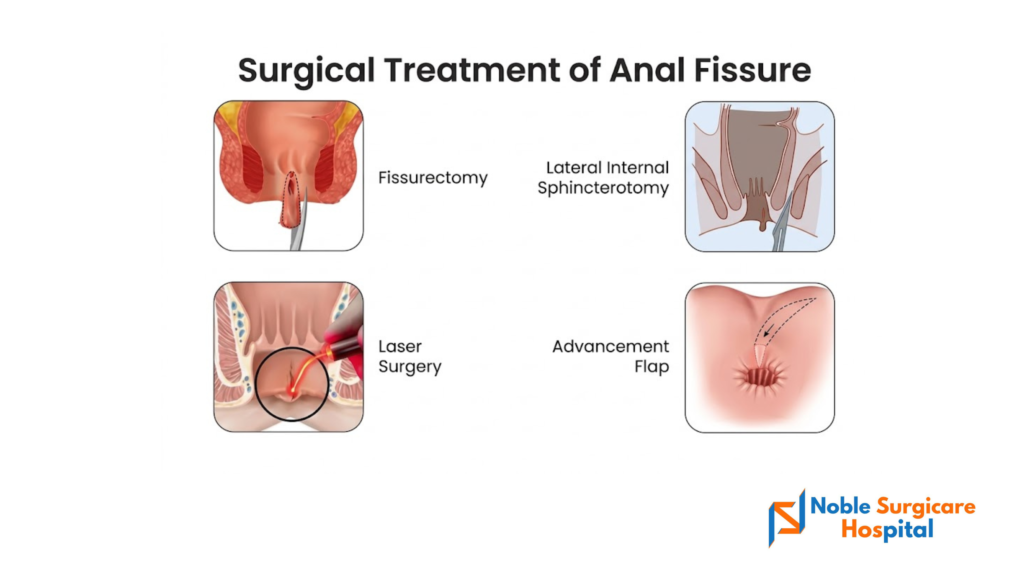
Anal fissure surgery is performed by a proctologist, anorectal or general surgeon. It is aimed at repairing the fissure and promoting healing. Common types include:
- Fissurectomy: This surgery removes the anal fissure. It also removes the edges of the fissure and surrounding worn-out skin.
- Lateral Internal Sphincterotomy : The surgeon makes a small incision in the internal anal sphincter muscle. It reduces spasms, relieves pressure on the fissure, and promotes healing.
- Laser Treatment for Fissure : It is an innovative technique that uses a focused laser beam to eliminate scarred tissue in the affected area. Also known as laser sphincterotomy or laser fissurectomy, this procedure is completed within 15 to 20 minutes.
- Advancement Flap: In this anal fissure surgery, the surgeon creates a flap of healthy tissue. The flap replaces the affected area in the fissure.
“In my experience so far, I remember treating an anal fissure for a young woman who had been suffering for months. I implemented a combination of modern surgical techniques with traditional Ayurvedic treatments.
We managed not only to heal her fissure but also to improve her quality of life. This experience solidified my belief in integrating holistic treatment with conventional medicine.”
Estimated Anal Fissure Operation Cost
| Laser Fissure Surgery Cost | ₹ 31,000 to ₹ 58,000 |
| Lateral Internal Sphincterotomy Cost | ₹ 30,000 to ₹ 1,40,000 |
The cost of laser surgery for fissures in India depends on several factors, including the surgeon’s expertise and the hospital facilities.
Note: Patients should talk with HexaHealth consultants for up-to-date financial information.
Risks of Delay in Anal Disease Treatment
Prompt diagnosis and treatment are essential to prevent complications, reduce the anal fissure healing time and ensure optimal outcomes.
When treatment for an anal fissure is delayed, several complications can arise, including:
- It can result in worsening anal fissure symptoms, including increased bleeding, itching, and difficulty with bowel movements.
- Delaying treatment can prolong the duration of discomfort associated with the anal fissure, making it more challenging to manage.
- An untreated anal fissure may become infected, leading to further complications. It may lead to serious infections or even cancer, requiring more intensive treatment.
- Without timely intervention, an acute anal fissure may develop into a chronic condition. This will make it more difficult to treat and may require surgical intervention.
When to call a proctologist or anorectal surgeon?
It’s advisable to consult them promptly if one experiences discomfort during bowel movements. Some circumstances that call for an anal fissure medical treatment are:
- If they observe blood on stools or toilet paper afterwards or they witness excessive rectal bleeding.
- Bleeding that persists and is accompanied by symptoms like lightheadedness, dizziness, or feeling faint.
- Aggravated anal pain that spreads or intensifies, coupled with fever, chills, or discharge from the anal area.
Diet for Anal Fissure
Diet plays a vital role in the treatment. The right diet for fissure in ano ensures that the risk of the disease decreases.
Below are some natural remedies for anal fissures to decrease the risks of this condition:
- Raw Fruits: Provide dietary fibre, aiding in smooth bowel movements. The risk of constipation, which can contribute to anal fissures decreases.
- Vegetables: Rich in fibre and water content, they promote regular bowel movements. This helps prevent the straining that can lead to anal fissures.
- Whole Grains: Good source of fibre, which adds bulk to stools, facilitating easier passage through the digestive tract. This reduces the likelihood of anal fissures.
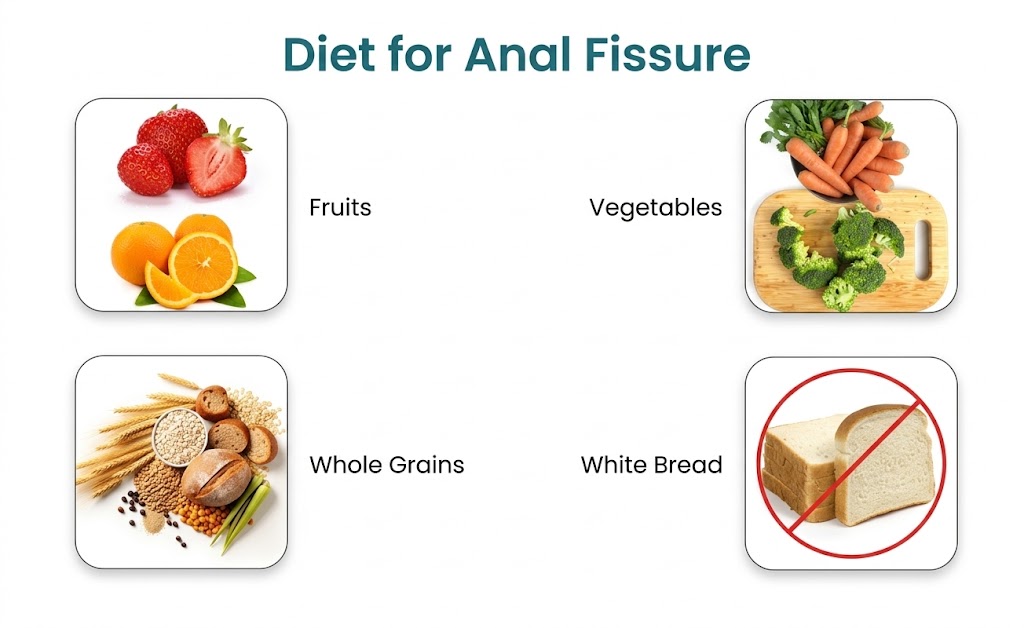
Significantly increased risks are associated with frequent consumption of:
- White Bread: It lacks dietary fibre, potentially leading to constipation and increased straining during bowel movements.
- Sauces Thickened with a Roux: Often high in fat and low in fibre, they may contribute to constipation and difficulty passing stools. This can increase the likelihood of anal fissures.
- Bacon or Sausages: These high-fat meats can lead to constipation and hard stools due to their low fibre content. This can potentially cause strain during bowel movements and increase the risk of anal fissures.
Takeaway
While anal fissures symptoms are common, you can prevent them by consuming high-fibre diets, staying hydrated, and maintaining regular exercise. These activities promote easy defecation, thus avoiding any strain during bowel movements.Surgery is often the last resort if diets and medications fail to work. If you have been recommended for fissure laser surgery, contact Noble surgicare Hospital for smooth and affordable treatment.
We help patients understand their anal fissure causes and connect them with top experts for the best treatment.
Patient Success Story – Fissure Surgery
More Information
07977273728