Pilonidal Sinus
- Home
- Pilonidal Sinus
Pilonidal Sinus
Pilonidal sinus is a condition in which there is a hole or cavity (sinus) beneath the skin that gets infected and forms a cyst or abscess. This condition occurs at the joining point or crease line of the buttocks.Often not a cause of concern, but it may need a doctor’s intervention if it gets infected. A doctor may suggest a proper treatment plan to help get rid of the infection and the discomfort you must be facing.Keep reading to know more about pilonidal sinus through pictures, synonyms, causes, types, diagnosis, prevention, treatment and more.
| Disease Name | Pilonidal Sinus |
|---|---|
| Alternative Name | Pilonidal Sinus Disease, Pilonidal Cyst, Pilonidal Abscess |
| Symptoms | Pain and discomfort, Swelling and inflammation, Pus or blood discharge, Low-grade fever, Nausea and fatigue |
| Causes | Sitting for long durations, Tight-fitted clothes, Coarse or thick hair |
| Diagnosis | Digital rectal examination, Imaging scans (CT or MRI Pelvis) |
| Treated By | General Surgeon (Proctologist) |
| Treatment Options | Incision and drainage, Pilonidal Flap surgery, Endoscopic Ablation, Laser surgery |
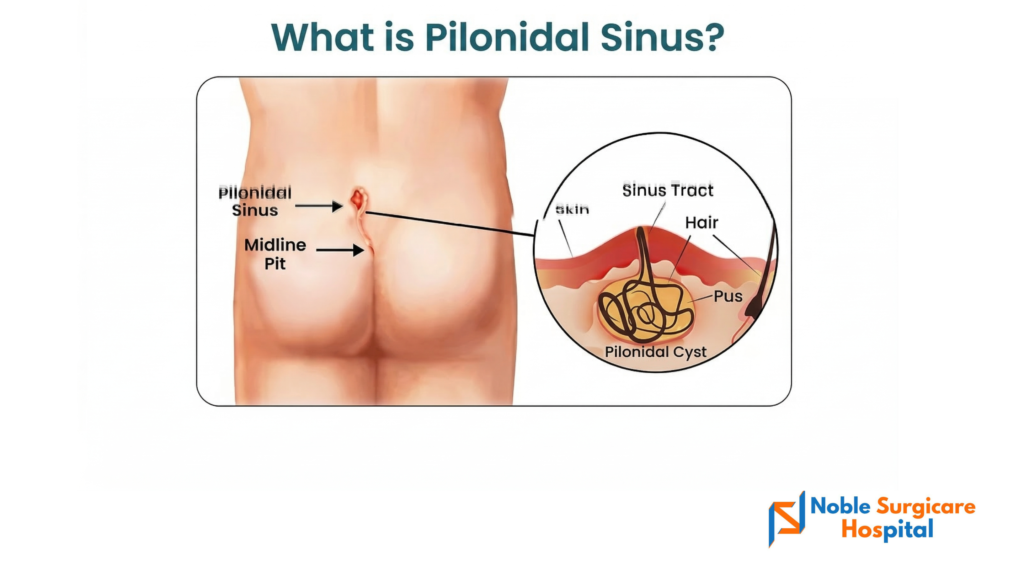
What is Pilonidal Sinus?
A pilonidal sinus is nothing but a hole or tunnel that forms at the lower back, at the crease line of the buttocks. It may appear as a dimple in the skin and is generally not a cause of concern.
However, when a pilonidal sinus gets infected, it can lead to two conditions, namely:
- Pilonidal Cyst: A close lump that gets filled up with fluid, hair and skin debris.
- Pilonidal Abscess: An inflamed and bulging condition that fills up with pus.
The pilonidal sinus may appear as a lump due to the presence of fluid or pus inside it. Usually not a cause of concern, if the pilonidal sinus gets infected and forms a cyst, it may need immediate treatment. Keep reading to understand more through pilonidal cyst pictures.
Pilonidal Sinus Symptoms
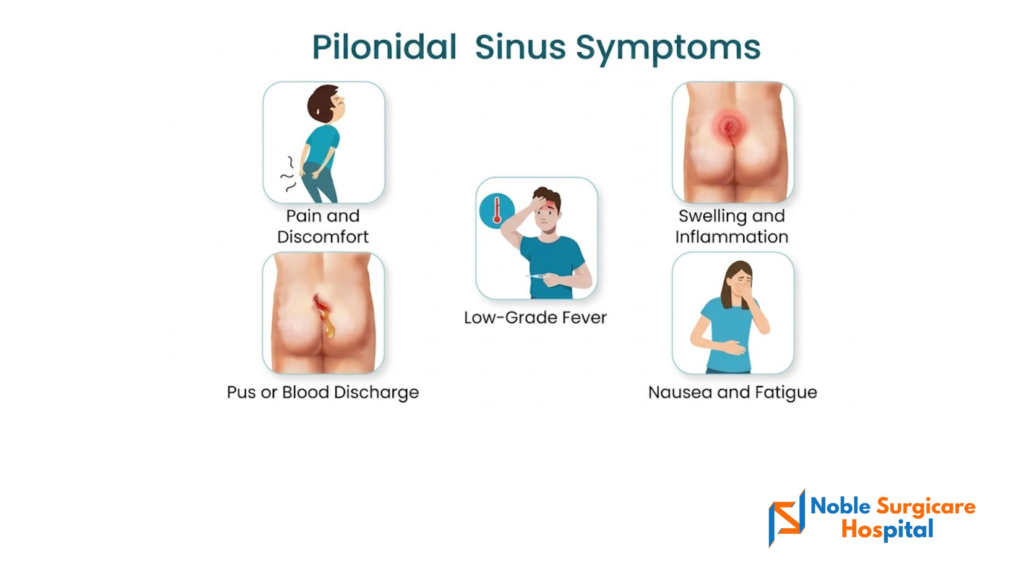
A normal pilonidal sinus, or a non-infected one may not show any symptoms. However, if the patient has an infected pilonidal cyst or abscess, they may experience one or more of the following symptoms:
- Pain and Discomfort: The infected cyst comes with pain and discomfort in the affected area. Sitting or standing for a long time may also cause discomfort.
- Swelling and Inflammation: The pus and fluid-filled up in the infection site may cause swelling and tenderness. Redness or inflammation usually occurs because your cells are trying to fight an infection to get rid of it.
- Pus or Blood Discharge: The pilonidal abscess may discharge blood or pus. This discharge even comes with a foul smell due to bacterial presence.
- Low-grade Fever: Fever is the human body’s immune system’s response to an infection. However, it may not necessarily occur in this condition.
- Nausea and Fatigue: Due to an infection, nausea and fatigue (tiredness) can be common symptoms.
Pilonidal Sinus Causes
The exact cause behind the development of the pilonidal sinus is not yet clear. However, a variety of factors may play a role in causing this disease. It can be either one or a combination of the below-mentioned causes:
- Sitting for Long Durations: If you have a desk job that needs you to stay seated for long hours, it can make the hair get inserted into the skin forming a pilonidal cyst.
- Tight-fitted Clothes: Friction and pressure may be caused by such clothes which can again lead to the formation of a pilonidal cyst/abscess as an immune response to push the hair out of the skin.
- Coarse or Thick Hair: When there is thick hair around the buttock region, it can penetrate back into the skin and turn into ingrown hair which can cause a cyst to form.
The above causes give rise to the formation of pilonidal cyst disease in the following way:
- Pressure or friction can cause hair between the buttocks to get pushed inside.
- Underlying skin is stretched in the tailbone region when an individual sits or bends. This stretching causes hair strands in that area to break.
- The hair thus becomes loose and, along with dead skin, gets pushed under the skin when an individual performs any movement.
- The body treats the loosened hair and dead skin cells as foreign substances. This process triggers an immune response, resulting in a cyst that gets filled with fluid or pus.
Pilonidal Sinus Risk Factors
Anyone can develop a pilonidal cyst disease. The following are the possible risk factors that can trigger the pilonidal sinus to develop a cyst or abscess:
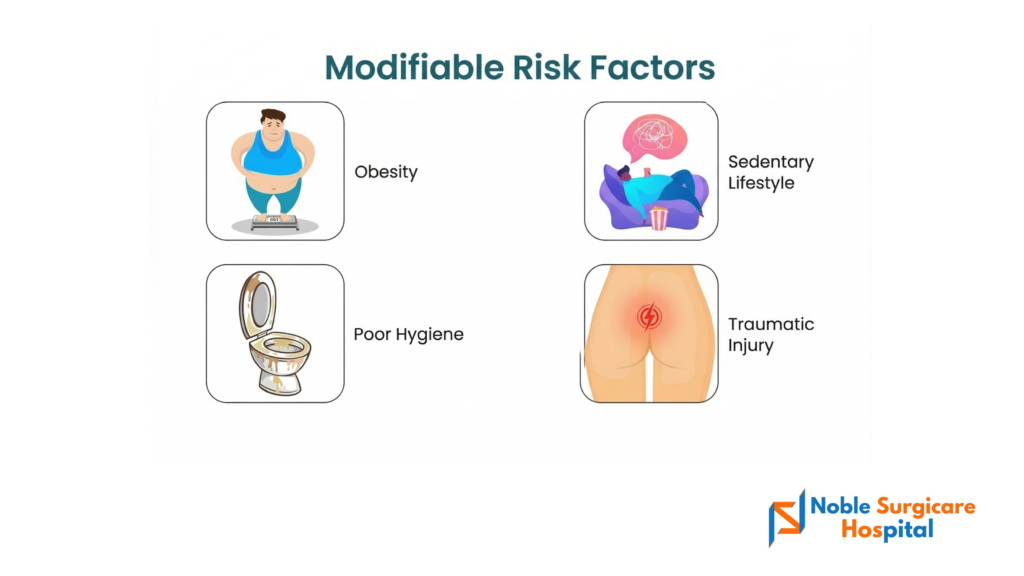
Modifiable Risk Factors
- Obesity: When a person is obese, his sitting posture may cause skin folds to occur which can lead to the trapping of hair causing the development of a pilonidal cyst.
- Sedentary Lifestyle: People who have a sitting desk job or have a habit of sitting for too long can develop this condition.
- Poor Hygiene: Poor hygiene can increase the risk of a pilonidal sinus. Keeping good hygiene can keep you away from diseases.
- Traumatic Injury: If a person has experienced an injury or irritation in the area between (or near) the buttocks, they have a higher chance of developing a cyst or abscess of the pilonidal sinus.
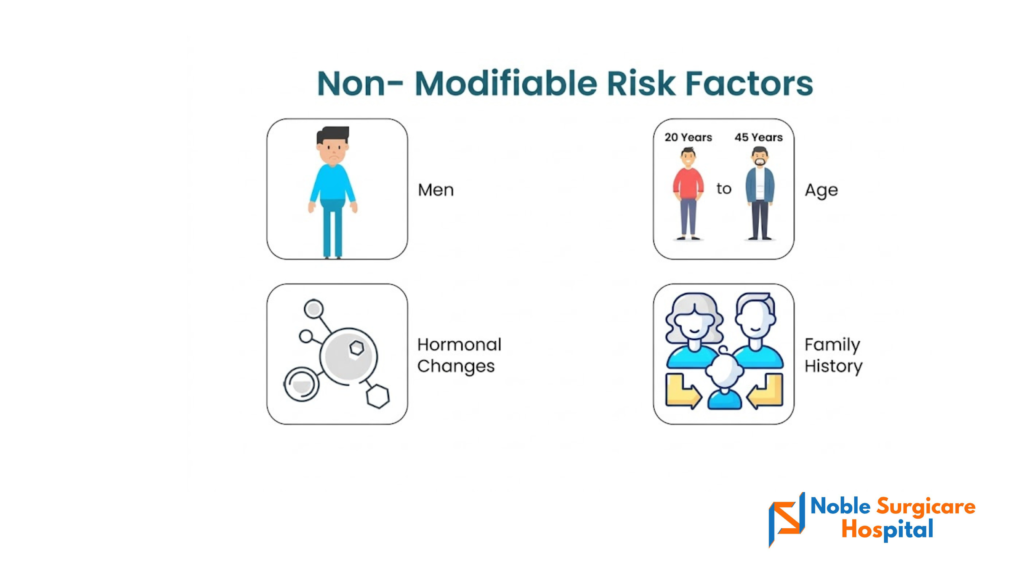
Non-Modifiable Risk Factors
- Men: Men may have a three to four times higher chance of developing a pilonidal cyst than women.
- Age: Individuals within the age range of 20 to 35 years are more likely to develop this condition.
- Hormonal Changes: The hormonal changes that occur during and after puberty can trigger the development of a pilonidal abscess when combined with other factors.
- Family History: People with a family history of pilonidal sinus have a higher disease incidence.
Prevention of Pilonidal Sinus
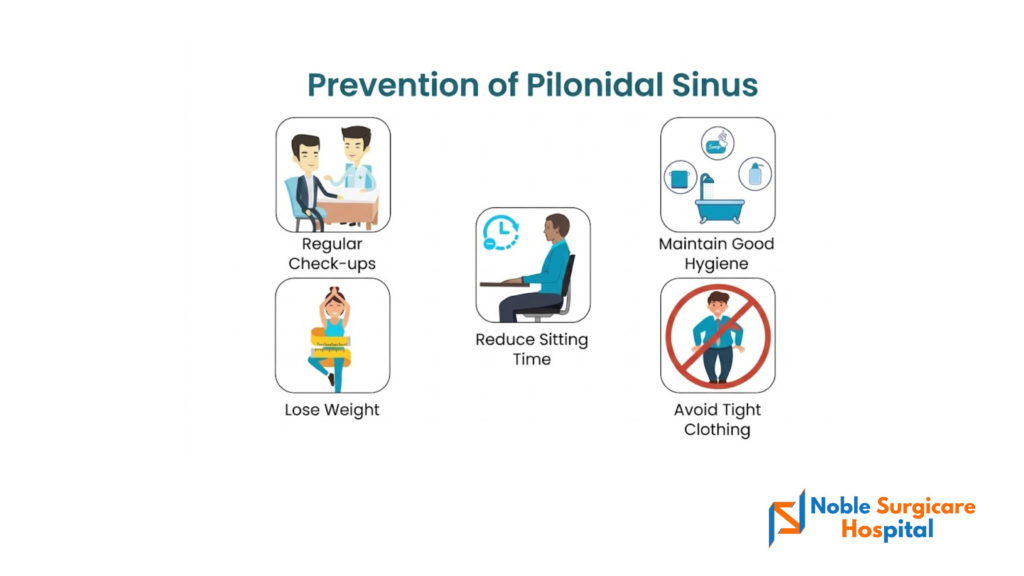
Pilonidal Sinus becoming infected can be very disturbing in your daily life. You can take some measures to reduce the risk of developing a pilonidal cyst or to keep it from recurring. Some of these measures include:
- Get Regular Checkups: Family history is a possible risk factor of developing a pilonidal cyst. If you feel any discomfort around the buttock area, it is best to consult a doctor immediately.
- Maintain Good Hygiene: Keeping your buttocks clean by washing them regularly is important to maintain good hygiene and avoid diseases.Keeping your body dry also is important to prevent infections. It is important to avoid rubbing toilet paper or a towel against the affected area.
- Loose Weight: For obese people losing weight might reduce the risk of developing a pilonidal cyst and also prevent the recurrence.
- Reduce Sitting Time: Limiting the sitting time to reduce the pressure on the buttock region can prevent the condition from occurring.
- Avoid Tight Clothing: Wearing loose clothes can prevent a pilonidal cyst from occurring.
- Remove Excess Hair: Try using hair removal products to remove the excess hair in that area to prevent ingrowth. An individual can also shave the hair around the buttocks once a week or more often to keep it clean.
How is Pilonidal Sinus Diagnosed?
Pilonidal sinus is a condition that may not require treatment unless it gets infected. It does not generally require a lab or imaging test.
A doctor is able to diagnose a pilonidal cyst/sinus based on a physical examination. The doctor will carefully examine the area between the buttocks for signs of a pilonidal cyst and note its size and appearance.
However, in a few cases, the following additional tests may be recommended to confirm the presence and severity of the pilonidal sinus:
- Digital Rectal Examination: This test involves the insertion of a gloved, lubricated finger inside the anus to feel the sinus and the depth of the tunnel to check for any signs of infection spread.
- Imaging Scans: Some rare cases may require the patient to undergo a CT (Computed Tomography), or MRI (Magnetic Resonance Imaging) scan to check for further complications in the sinus cavity.
How to prepare for the doctor’s consultation?
You can always prepare yourself prior to a doctor’s appointment. Some of the things that can be kept in mind or noted are as below:
- List down the symptoms including ones that may seem unrelated to the condition.
- The patient should also inform the doctor about the intake of regular diet, medications and supplements.
- Some of the questions that can be asked from the doctor include:
- What’s the likely cause of the pilonidal sinus?
- Is it a temporary or a permanent condition?
- Can pilonidal cyst become cancerous? Does it cause any complications?
- Do I need to undergo any tests?
- Can I undergo pilonidal sinus removal? Why or why not?
- What’s the procedure for the removal of the pilonidal sinus? Are there risks?
- Is it likely to reoccur?
- Can I see some female pilonidal sinus pictures?
- Do you have any resources I can refer to for a better understanding of pilonidal sinus?
The doctor may ask several questions that might help know the patient’s condition better. You can prepare yourself prior to the doctor’s appointment by keeping the answers ready to the following questions:
- When did the symptoms begin?
- Have you experienced the problem before?
- Did anything improve the symptoms?
- What, if anything, appears to worsen the symptoms?
- What medications or supplements do you take regularly?
- Have you had any fever?
- Is the pain keeping you awake at night?
- What is your occupation? Do you sit all day?
Pilonidal Sinus Treatment
If a patient has a pilonidal cyst without any troubling symptoms, then it may not be a cause of concern. However, if the cyst exists for an extended period or any unusual symptoms show up it is crucial to consult a doctor.
A proctologist may suggest one of the following methods for pilonidal sinus treatment:
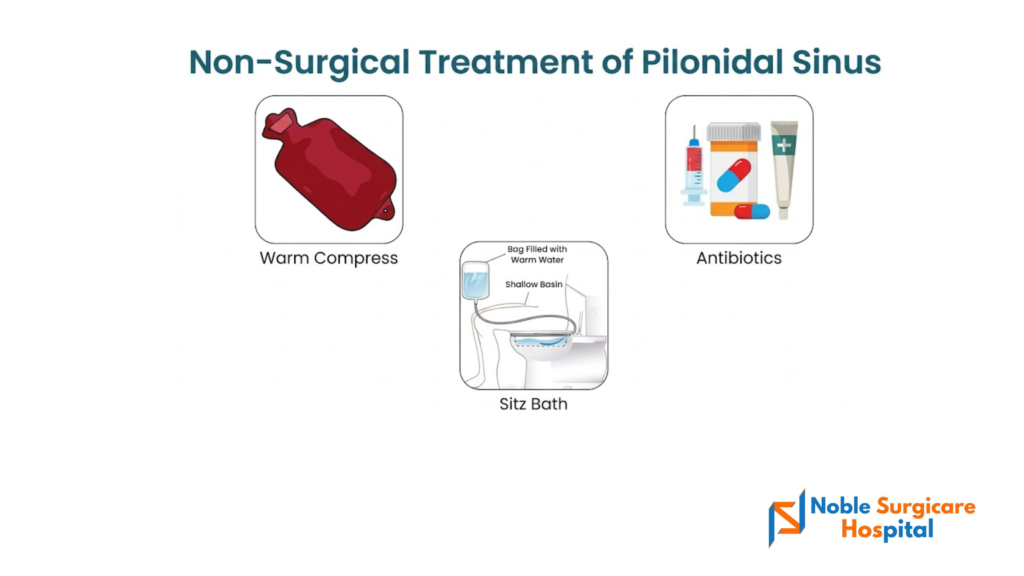
Pilonidal Sinus Treatment Without Surgery
- Warm Compress: At home, a patient can apply warm compresses to the affected area for immediate relief and use a buttock cushion to soothe the pain. This method can help provide warmth to the cyst which may help drain out the pus.
- Antibiotics: Antibiotics may be prescribed for the skin inflammation or infection associated with the pilonidal cyst. However, only antibiotics may not be enough to treat the infected cyst. Topical ointments may also be prescribed by your doctor.
- Sitz Bath: A sitz bath can help relieve symptoms such as pain and swelling. It also cleans up the infected area to prevent any further infection.
Pilonidal Sinus Treatment With Surgery
If the symptoms are overwhelming and unbearable the doctor may suggest surgery depending on the intensity of the symptoms and condition.However, the cyst may reoccur even after surgery if the patient has a family history of pilonidal cysts or if the condition has worsened.
Some of the commonly advised surgical methods include:
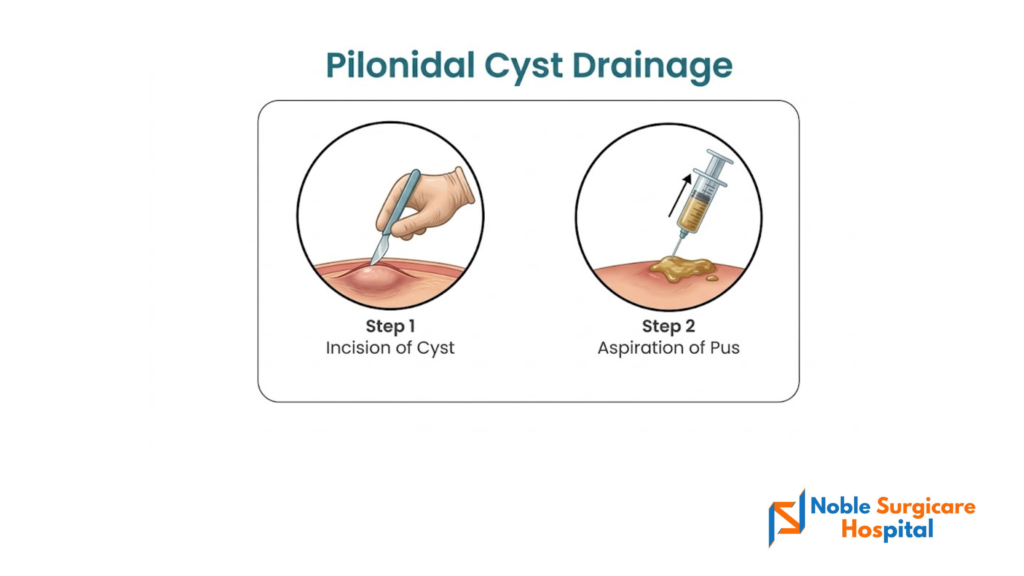
- Pilonidal Cyst Drainage: In this procedure, the surgeon makes a small incision on the infected cyst to drain the pus and fluid inside it.
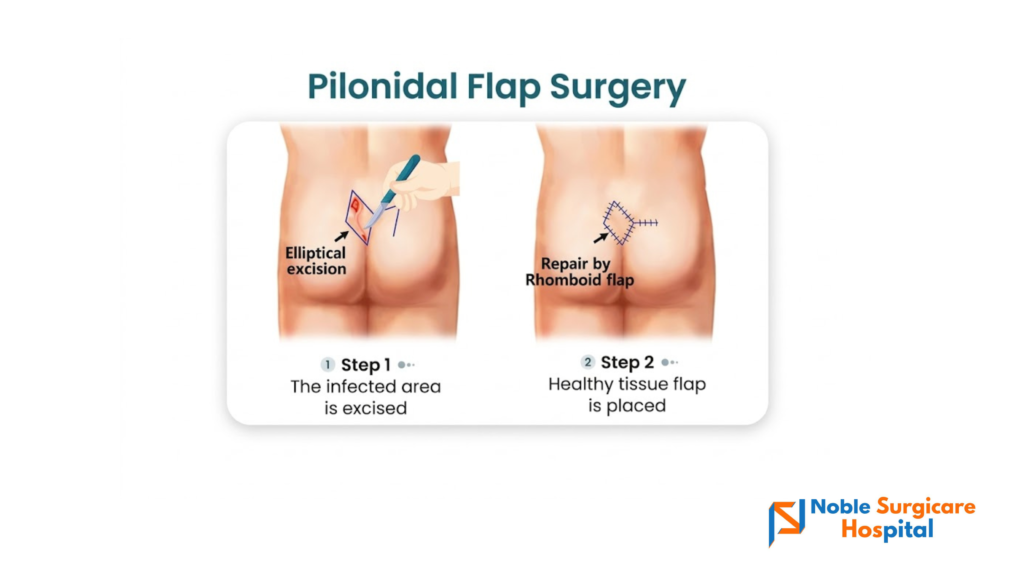
2.Pilonidal Flap Surgery: For people with extensive or recurrent pilonidal disease a pilonidal flap surgery may be an option.In this method, a diamond or rhombus-shaped incision (cut) is made under the influence of anaesthesia to remove the affected area and underlying tissue.
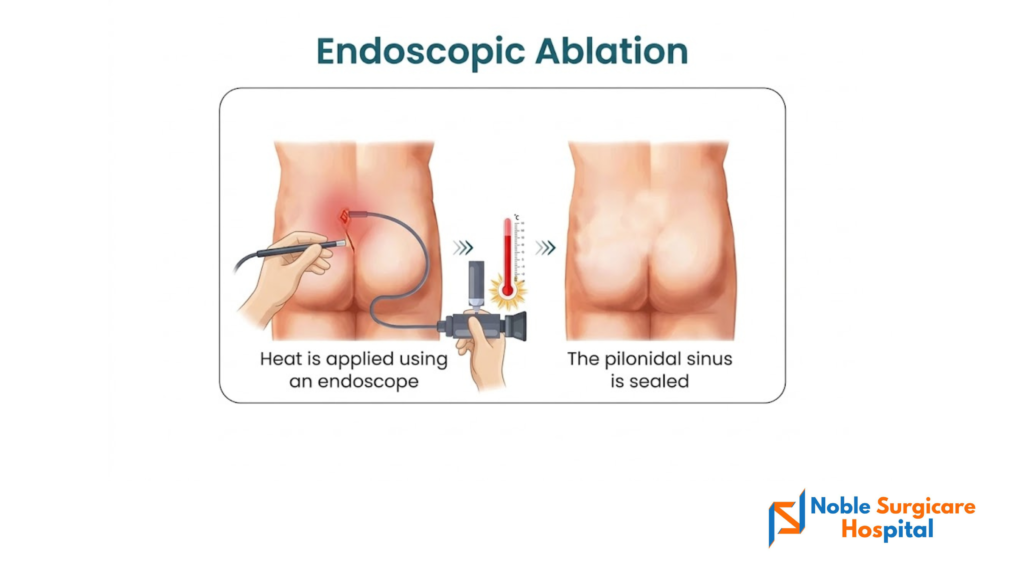
3.Endoscopic Ablation: This method is used to provide heat to the cyst and it is a video-assisted minimally invasive surgical treatment.
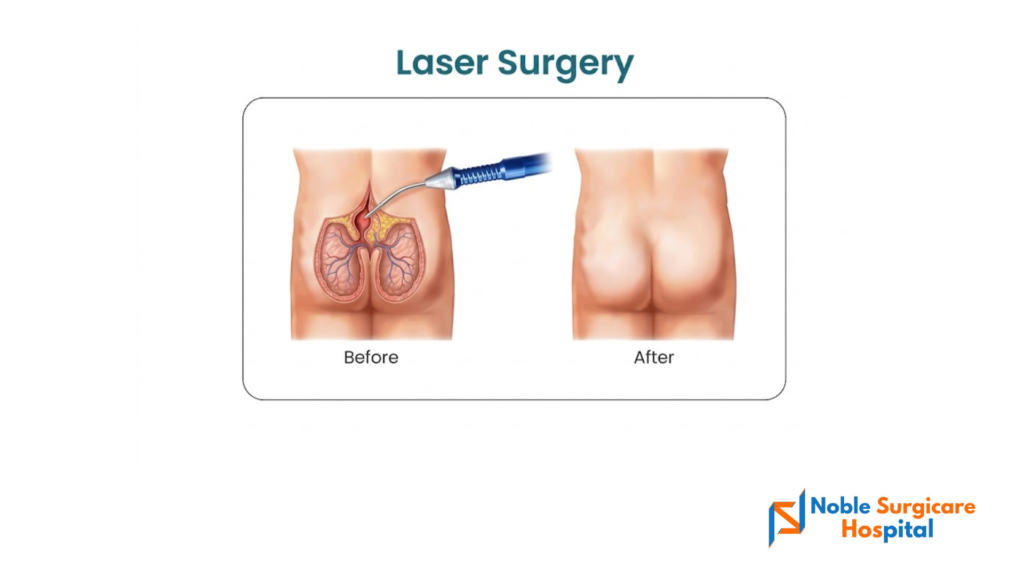
4.Laser Surgery: To treat the infection, pilonidal sinus laser surgery is an advanced and minimally invasive surgery. This procedure is recommended by the doctor when the pilonidal sinus is recurrent and infected.
| Surgery Name | Surgery Cost |
| Incision and Drainage | ₹35,000 to ₹80,000 |
| Pilonidal Flap Surgery | ₹30,000 to ₹70,000 |
| Endoscopic Ablation | ₹35,000 to ₹75,000 |
| Laser Surgery | ₹40,000 to ₹90,000 |
Risks and Complications of Pilonidal Sinus Surgery
An infected pilonidal sinus/cyst if not treated properly, can cause the infection to spread and the formation of multiple sinus tracts. This can worsen the symptoms and become extremely painful, interfering with daily activities.
Additionally, the symptoms may become recurrent which can lead to complications such as:
- Scarring: The incision or surgical removal of the pilonidal cyst can cause scarring at the site of procedure. However, this may go away with time.
- Seroma: It is a common post-surgical complication in which fluid may get accumulated on the skin surface.
- Haematoma: In haematoma, a blood clot may form due to damage caused to a blood vessel by surgery.
- Infection
- Wound Infection: An infection at the site of the incision can lead to a wound infection if the wound is not cleaned properly.
- Systemic Infection: It is an infection that spreads to the entire body through blood. It may become life-threatening in rare cases.
- Acute Pilonidal Cyst: In some cases, the pilonidal cyst may come back. This is common in patients with a family history of this condition. However, an acute pilonidal cyst is a one-time infection.
- Chronic Pilonidal Cyst: If the patient does not receive proper treatment for the cyst it can reappear even after surgical removal. It can recur any number of times due to a genetic reason.
- Cancer: Chronic pilonidal cysts can lead to squamous cell carcinoma (cancer) in rare cases.
When to see a doctor?
The patient can consult the doctor if he/she experiences:
- Pain
- Reddening of the skin
- Drainage of pus or blood from an opening in the skin
- Foul smell from draining pus
Diet for Pilonidal Sinus
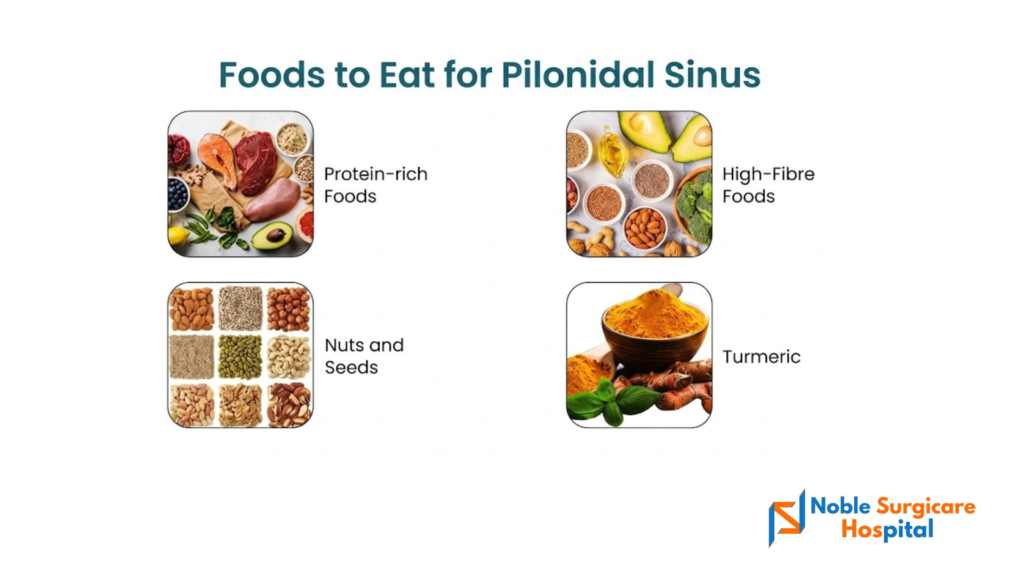
Intake of a properly balanced diet can help in the prevention or further spread of multiple health conditions. Some foods may support and reduce the risk of infections or prevent the condition from getting worse. These include:
- Protein-rich Foods: Protein-rich foods such as pulses, beans, soybean, cottage cheese, and dairy products help the body in regular tissue repair and normal organ function. This may help prevent the infection from spreading further.
- High-fibre Foods: Regular intake of fibre-rich foods like vegetables and fruits can ease digestion, allowing a smooth bowel movement. This can reduce the discomfort in the pilonidal sinus region.
- Nuts and Seeds: Nuts like almonds, walnuts, and pistachios and seeds such as flaxseeds, methi seed, chia, pumpkin and sunflower seeds are rich sources of antioxidants that help reduce inflammation.
- Turmeric: A compound called curcumin is present in turmeric which can reduce inflammation and also act as an antibiotic.
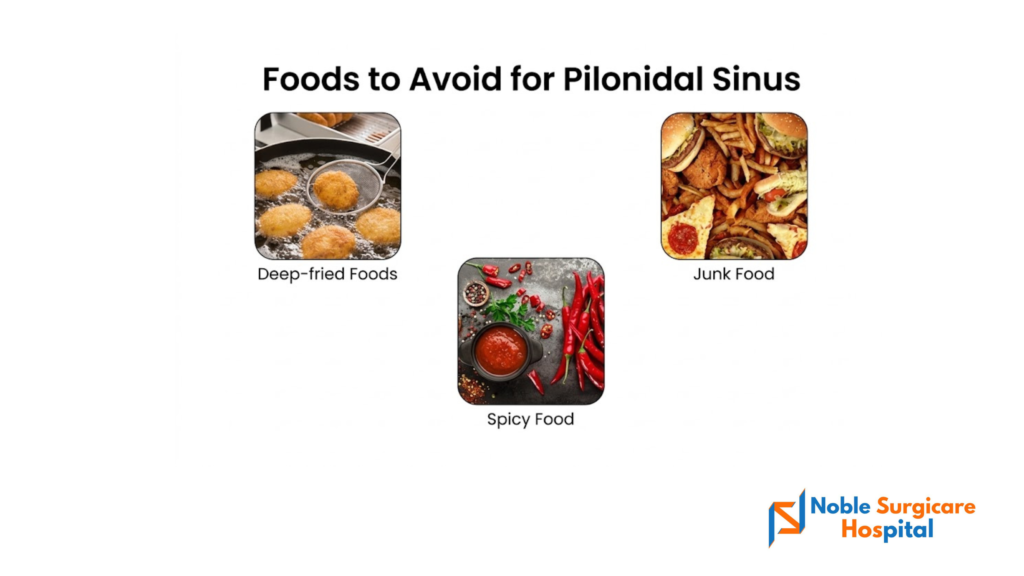
When following a condition-focused diet, knowing the foods that need to be avoided is also crucial. Some of the food items to be avoided to reduce the risk of recurrence or worsening of pilonidal sinus symptoms include:
- Deep-fried Foods: Such foods are very high in unhealthy fats, contribute to inflammation, and may increase discomfort in the pilonidal sinus.
- Junk Food: Highly processed foods such as junk food lack nutrition and contribute to uneasiness while passing stools.
- Spicy Food: Foods that are very spicy can lead to diarrhoea, constipation, pain and excessive stress on your body when passing bowels.
An infected pilonidal sinus cannot be treated standalone by changes in diet. In the majority of cases, surgery will be required for permanent relief from chronic symptoms..
Takeaway
Pilonidal sinus can become a disturb your day-to-day routine if it gets infected. Therefore, it is important to look for the signs of an infection. Various factors may play a role in the development of a pilonidal cyst.
In case, there is unbearable pain and extreme discomfort due to pilonidal cyst, surgery may be required. It may be removed through simple incision and drainage or other surgical methods.
You can get in touch with the experts at Noble surgicare Hospital to know the best non-surgical and surgical treatment options available for pilonidal sinus. We can be your companion from the beginning to the surgical after-care stage.

More Information
07977273728